Mitch Johnson
Day of the DeadMitch Johnson’s brief but consequential role is defined by his kidnapping of Lani Walker and the lasting aftermath of her killing him in self-defense. Though the supplied account gives little information about his life beyond these acts, his violence marks Lani physically and places her at the center of a difficult process of recovery, spiritual reckoning, and change.
Identity and Introduction
The narrative identifies Mitch chiefly through his actions against Lani: he is her kidnapper, and she kills him. No further background, personal history, or motive is supplied, so his character is presented not through an independent account of his life but through the harm he causes and the consequences that continue after his death.
One consequence is a scar that Lani notices years later when she steps out of the shower. The mark was left by Mitch’s superheated kitchen tongs during the kidnapping. The account does not dwell on the injury itself; instead, it shows how its persistence makes the past present in Lani’s daily life. Even when clothing hides it from others, she cannot simply disregard what it represents.
Kidnapping and Death
On the day Brandon Walker reaches Ioligam, Mitch is already dead. Brandon has gone there expecting to retrieve his daughter and take her home, but Fat Crack Ortiz blocks his way. The revelation that Lani has killed Mitch changes the immediate purpose of Brandon’s arrival: he cannot simply bring her back, because she has chosen to remain alone and undergo a sixteen-day fast and purification period.
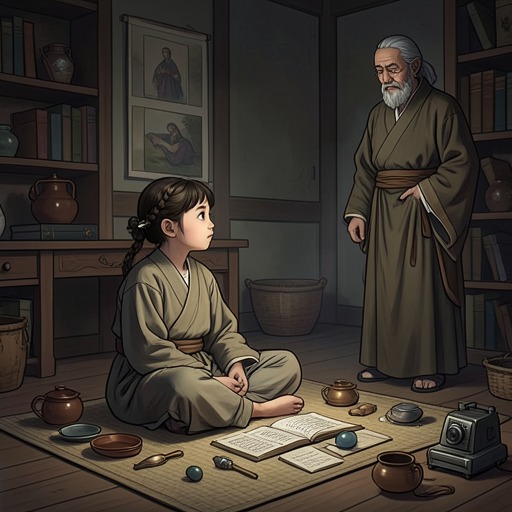
Fat Crack explains that Lani must stay by herself, avoid salted food, and pray for sixteen days because she has taken a human life. He also makes clear that the killing was self-defense and justified, while insisting that taking a life remains a terrible experience for Lani and her soul. Mitch’s death is therefore not represented as an uncomplicated resolution to the kidnapping. The danger he posed has ended, but the moral and spiritual consequences of the violence remain with Lani.
The Aftermath for Lani
During the purification period, Fat Crack visits Lani daily with soothing salve and the salt-free evening meal required by the rite. She and Fat Crack speak about many things, though the narrative notes that they do not discuss the scar. Lani believes he knows about it, but she has not told him; she also keeps it from Diana Ladd and her best friend. The mark becomes a private part of the aftermath, carried without being made the subject of conversation.
The scar also recalls an earlier injury to Diana, left by Andrew Philip Carlisle. Lani understands the likeness between the marks as a bond between herself and her adoptive mother deeper than adoption papers. This connection does not make Mitch’s violence less consequential; it gives Lani a way to understand the scar within her relationship to Diana, even as she keeps its origin secret to spare her mother pain and avoid explaining what she cannot readily put into words.
Change and Narrative Significance
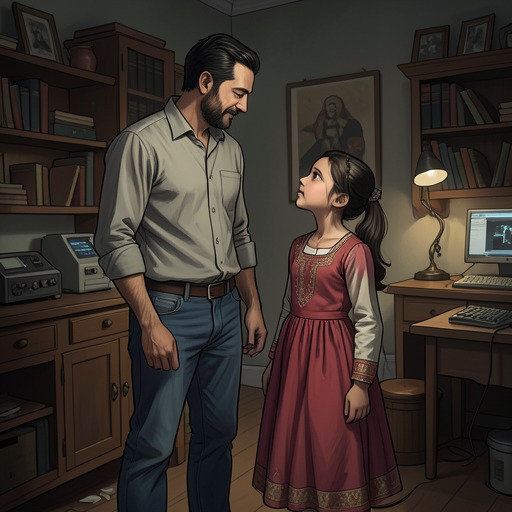
When Fat Crack finally brings Lani home to Gates Pass after sixteen days, Brandon sees that she has changed. She had been a carefree teenager when Mitch took her; she returns serious-minded and more closely attuned to her Indian heritage. The account does not present a single argument or dramatic break between Lani and her adoptive parents. Instead, it describes a lasting alteration in their relationship, one Brandon recognizes without blaming Fat Crack for it.
Lani continues to live with Brandon and Diana, learns to drive, earns her license, and graduates at the top of her class. Those milestones coexist with Brandon’s sense that Mitch robbed him of something precious by kidnapping her: her innocence, which neither Brandon nor Fat Crack can restore. Mitch’s narrative importance thus extends beyond the moment of his death. His actions leave a continuing mark on Lani’s body, her spiritual life, and her family relationships, while the story’s account of her recovery places her choices and the support she receives—not Mitch’s history—at its center.